Why MMORPGs Shine in a World Dominated by Offline Games: A New Perspective
In today's gaming landscape, we often find ourselves torn between the allure of MMORPGs and the nostalgic charm of offline games. As the online gaming community continues to flourish, it's essential to explore why MMORPGs are leading the charge. Whether you're a casual player or a hardcore gamer, understanding this dynamic could change your perspective. So, why exactly do MMORPGs shine amidst a crowd of offline contenders? Let's dive into the reasons!
What is an MMORPG?
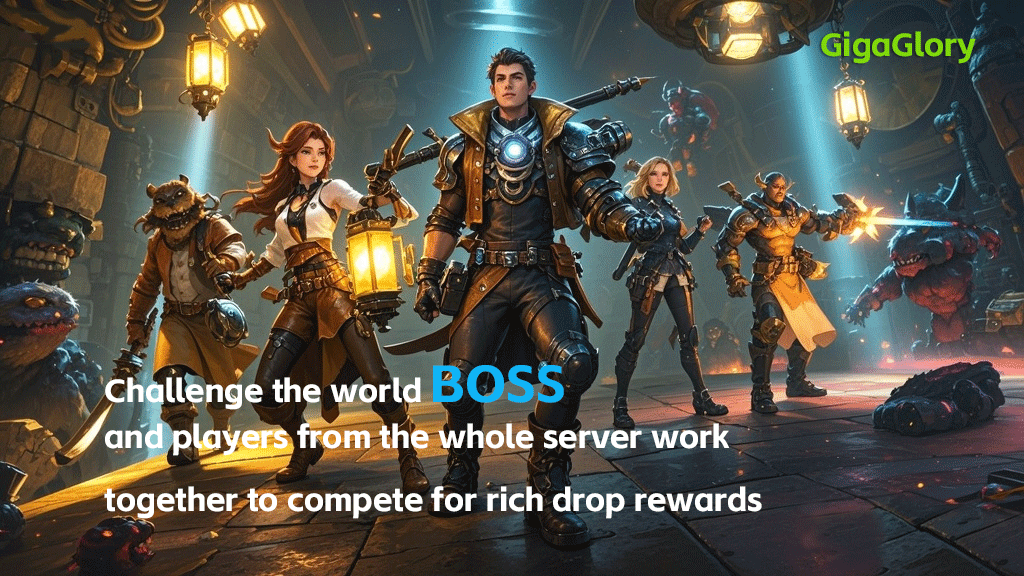
Before we get into the juicy details, let's clarify what an MMORPG really is. MMORPG stands for "Massively Multiplayer Online Role-Playing Game." Games like "World of Warcraft," "Final Fantasy XIV," and "Guild Wars 2" allow thousands of players to interact in persistent worlds featuring intricate storylines and character development. Players from all corners of the globe join the action, collaborate in quests, or engage in epic battles, creating a vibrant community that offline games just can't replicate.
The Allure of Community
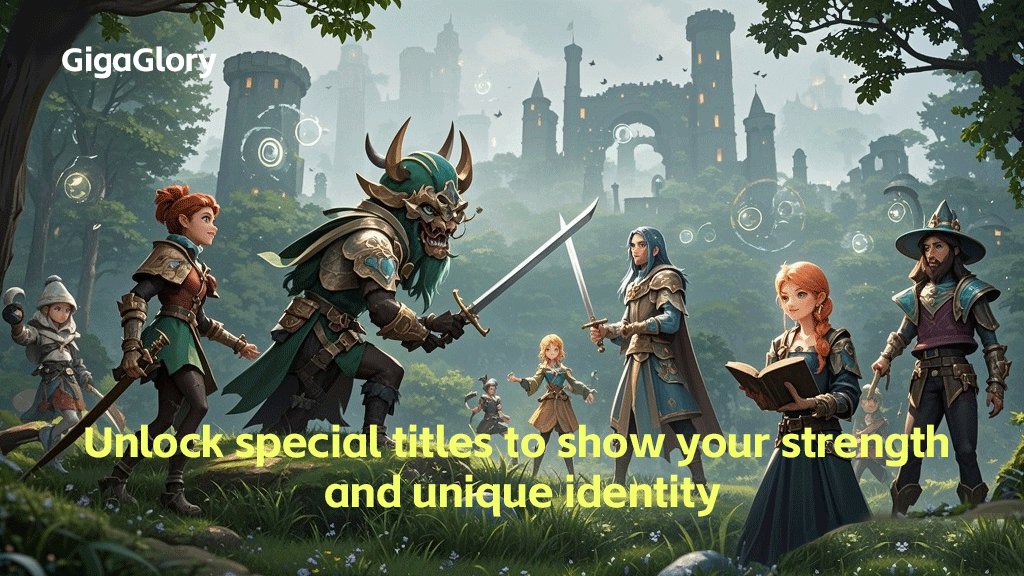
One of the main reasons MMORPGs stand out is their community aspect. Players form friendships and alliances, make memories, and share their experiences. In a world where social connections are often limited to screens and likes, the sense of belonging provided by MMORPGs is unparalleled. This community feeling is somewhat lacking in offline games, which often leave players feeling isolated once the console is powered off.
Real-Time Interaction: The Heartbeat of MMORPGs
Real-time interaction is another key feature that elevates MMORPGs. Players can chat, strategize, and react instantaneously to events in the game world. In contrast, offline games can feel stagnant, with players solely focusing on their gameplay experience. This real-time component helps to foster connections and brings players together in ways that simply can't be replicated offline.
Dynamic Gameplay Experience
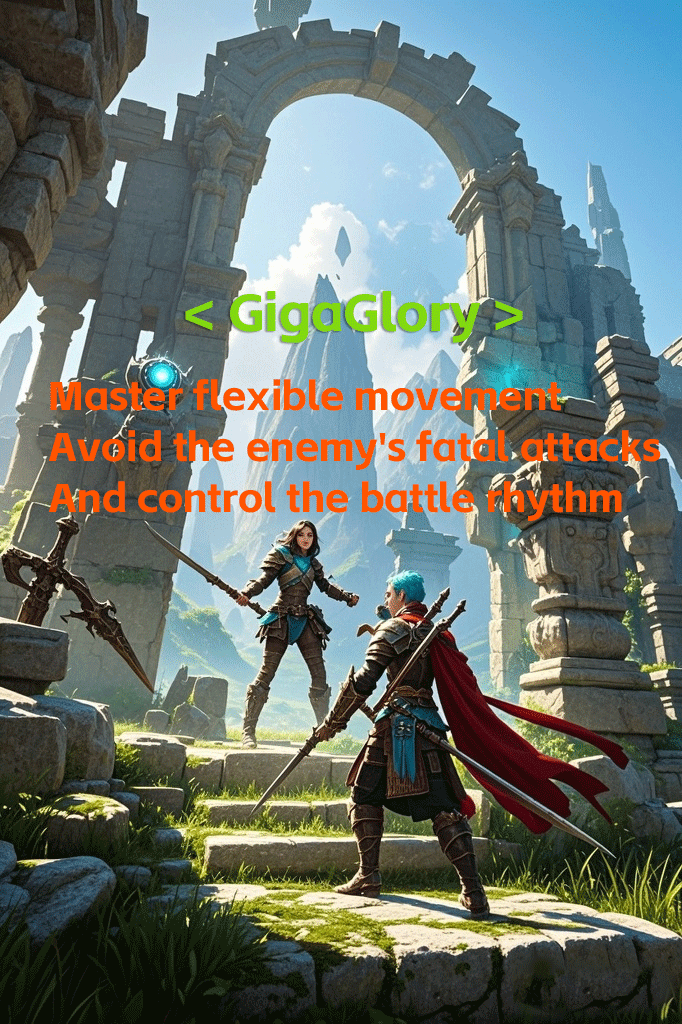
One of the best parts about MMORPGs is the dynamic nature of their gameplay. Events, quests, and storylines can change based on community actions, player decisions, and even seasonal changes. This unpredictability ensures that players remain engaged, with always something new to explore. On the flip side, offline games typically follow a fixed storyline without many deviations, limiting the excitement factor.
MMORPGs Offer Unmatched Customization
| Feature | MMORPGs | Offline Games |
|---|---|---|
| Character Customization | Extensive options | Limited options |
| Skill Trees | Complex | Simple |
| Equipment Choices | Diverse | Standardized |
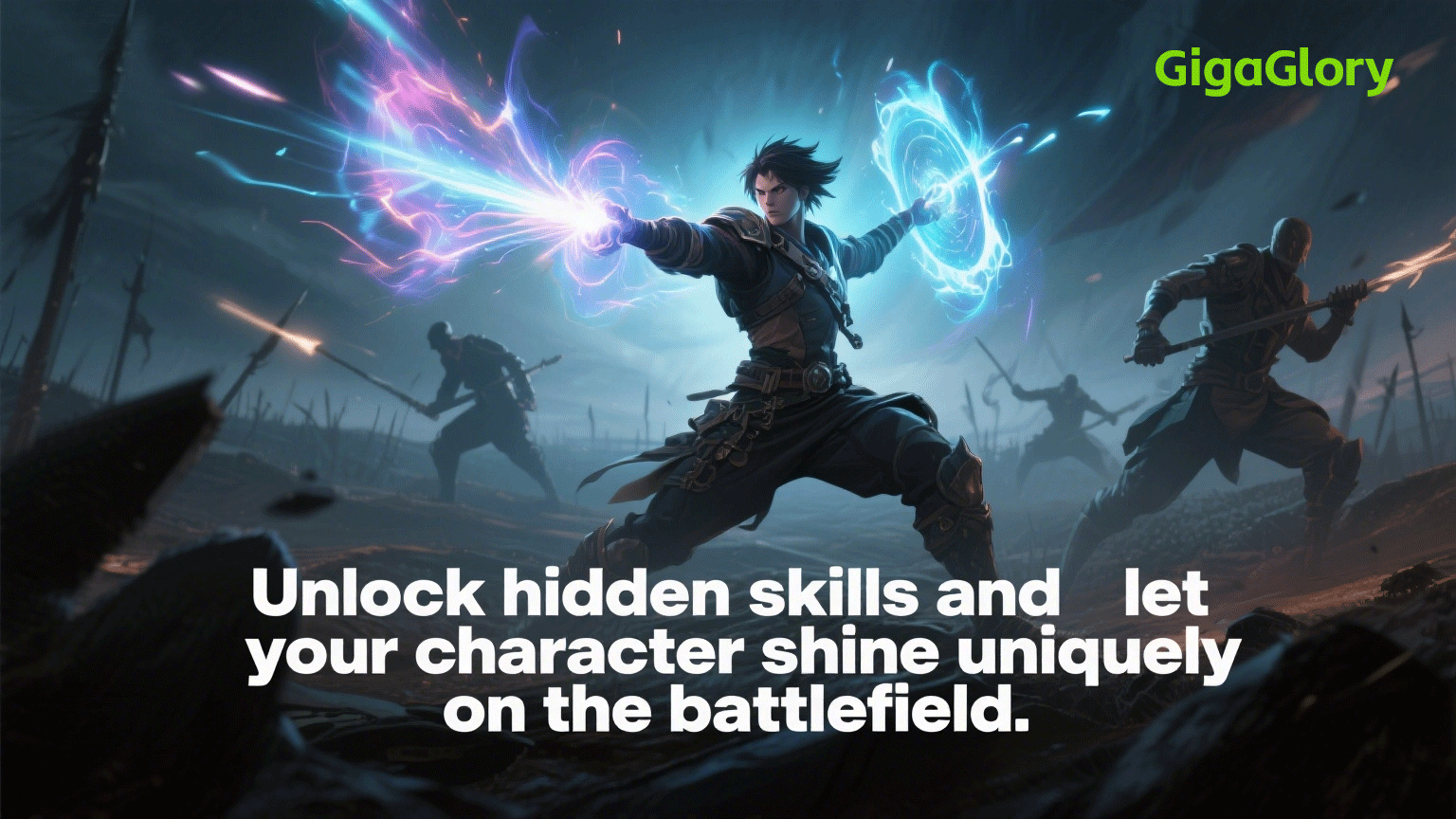
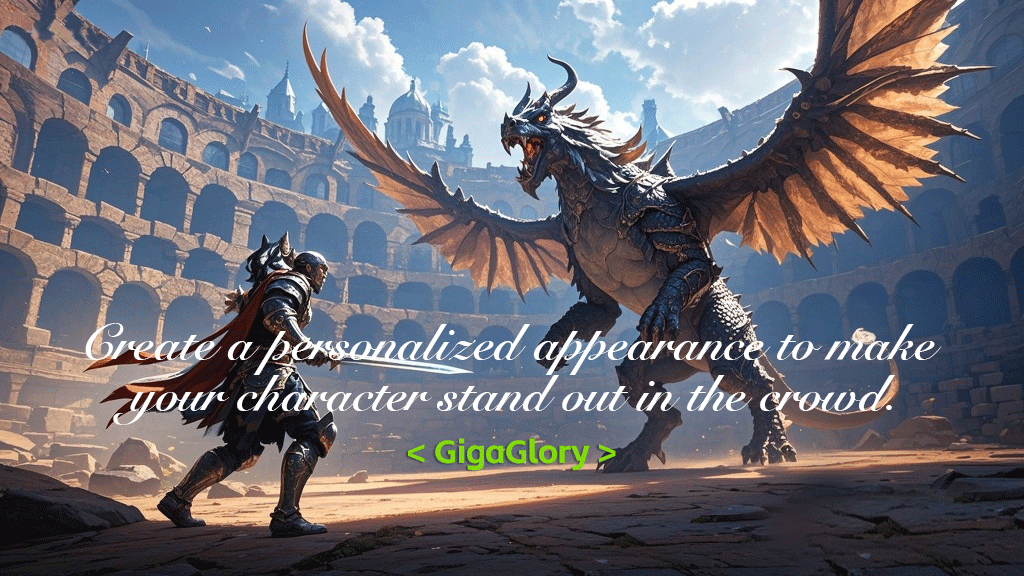
In MMORPGs, players are empowered to create unique characters tailored to their preferences. The freedom in character customization—ranging from looks to skills—enhances player investment in their journey. This level of personalization is often relegated in offline games, where characters usually follow rigid templates.
The Thrill of Competition and Collaboration
MMORPGs foster a vibrant environment where both competition and collaboration thrive. Guilds and teams form to take on challenging content, and players often find themselves competing in leaderboards. The mix of camaraderie and rivalry fuels player motivation in a way that offline games rarely generate.
Cost of Entry: Free or Cheap?
MMORPGs often employ a free-to-play model, enticing players to jump in without a heavy financial commitment. Many big-name MMORPGs, like "Genshin Impact" and "MapleStory", allow players to experience their worlds without having to pay upfront. This approach contrasts with the often hefty price tags of offline games, attractive for budget-conscious players looking for the best gaming experience.
Adapting to New Players: Learning Curves
These virtual realms are also welcoming to newcomers. MMORPGs such as "Black Desert Online" have integrated tutorials and resources, enabling new players to get up to speed quickly. Online forums and communities further facilitate learning, creating a supportive environment for novices. On the other hand, offline games sometimes present steep learning curves, which can discourage new players.
Best Clash of Clans Tips: A Noteworthy Mention
Speaking of communities, there are countless forums and guides dedicated to other popular games like Clash of Clans. Players share strategies, tips, and tricks, further enhancing the collaborative spirit that MMORPGs embrace. Here are a few standout tips:
- Upgrade Wisely: Focus on upgrading troops that can support your overall strategy.
- Join an Active Clan: Collaborative play enhances your game experience and resources.
- Plan Attacks: Map out your attack strategies ahead of time to increase your chances of success.
A Multi-Platform Appeal: Play Anywhere!
Another advantage of MMORPGs is their adaptability across various platforms. Many of these games support mobile, consoles, and PC gaming, allowing players to enjoy their hobby anywhere. This flexibility encourages players to stay engaged, unlike offline games that may be confined to one system.
The Future of MMORPGs in the Gaming Sphere
As technology continues to evolve, so does the world of MMORPGs. Advances in graphics, VR technology, and AI-driven content enhance immersion. The future is bright for MMORPGs, and as more players gravitate towards the online experience, it becomes imperative for offline games to adapt.
Conclusion: The Lasting Appeal of MMORPGs
Ultimately, MMORPGs offer an engaging, dynamic, and connected gaming experience that transcends traditional offline play. Their sense of community, real-time interaction, and endless customization options create an exciting escape for players. With a rise in accessibility and continual innovation, MMORPGs are not merely a trend but rather the future of gaming. Whether you’re looking to dive into a world filled with legends or strategize with friends, MMORPGs reign supreme!